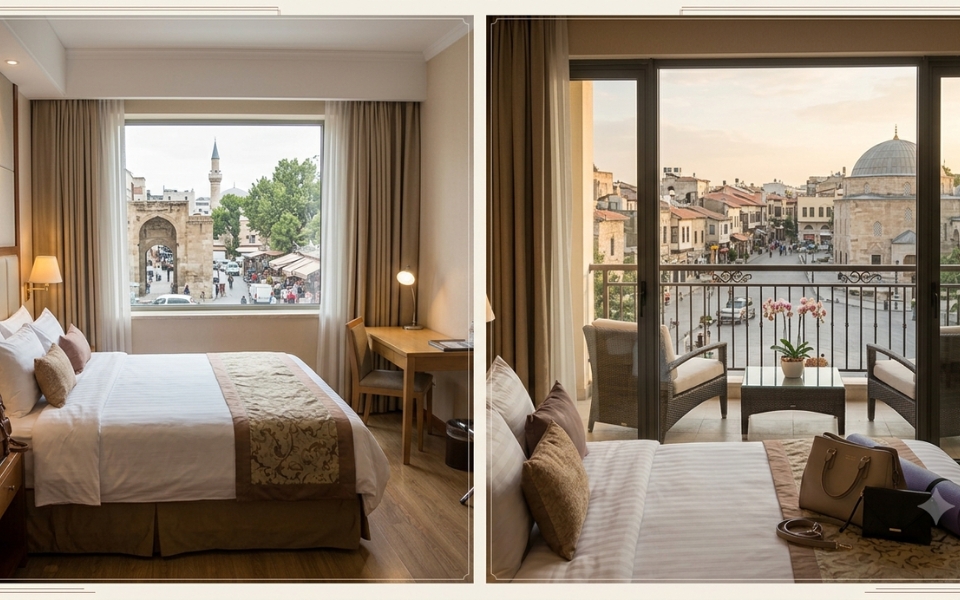
Booking a hotel room has become much easier thanks to various online platforms and Online Travel Agents (OTAs). However, many travelers still get confused when seeing room options like Superior, Deluxe, Suite, or Family Room. Many also assume that room types only differ in size, whereas each category actually offers different amenities, capacities, and overall stay experiences.
Understanding the types of hotel rooms before booking will help you choose the room that best fits your needs while avoiding unnecessary extra charges. Whether it's for a business trip, a romantic getaway, or a family vacation, picking the right room type ensures a much more comfortable experience.
Below are the common hotel room types you will encounter and their key differences.
Why Is It Important to Understand Hotel Room Types?
Every hotel has different standards and classifications. Even if they use the same name, the amenities provided may not be completely identical. By understanding room types before booking, you can:
- Choose a room based on the number of guests.
- Align your budget with the amenities provided.
- Avoid errors during the reservation process.
- Enjoy a more comfortable stay experience.
Additionally, knowing the room types allows you to compare offers from different hotels more objectively.
Types of Hotel Rooms
1. Standard Room
The Standard Room is the most basic room type available at most hotels. It usually features a smaller space compared to other categories, but still provides essential amenities such as a bed, bathroom, TV, air conditioning, Wi-Fi, and toiletries. This type is ideal for budget-conscious travelers prioritizing comfort, especially for short stays or business trips. Best for: Solo travelers, business trips, 1–2 night stays.
2. Superior Room
A Superior Room is generally slightly larger than a Standard Room. Some hotels also offer better views or extra amenities, such as a small seating area or more comprehensive room supplies. However, the exact difference between a Superior and a Standard Room varies by hotel. Best for: Couples, short staycations, travelers wanting extra comfort.
3. Deluxe Room
The Deluxe Room is one of the most popular choices because it offers a great balance between price and amenities. Typically, it provides a roomier layout, premium interior design, attractive views, and additional features like a sofa, work desk, or minibar. Many 4- and 5-star hotels consider the Deluxe Room a guest favorite. Best for: Couples, business travelers, 2–4 night vacations.
4. Executive Room
The Executive Room is generally designed for business guests who need elevated comfort during their stay. In addition to a larger floor plan, guests usually enjoy extra perks such as Executive Lounge access, dedicated check-in services, exclusive breakfast, or a dedicated workspace. At some hotels, this room type also includes personalized concierge services. Best for: Business professionals, corporate travelers, longer stays
5. Suite Room
A Suite is a premium room type that offers significantly more space than a standard room. Unlike other types, a Suite typically features a separate sleeping area and living room. Some Suites even come equipped with a dining area, pantry, and a larger bathtub. Due to its privacy and high level of comfort, it is often chosen for honeymoons, major business trips, or VIP guests. Best for: Honeymoons, VIP guests, exclusive business trips.
6. Junior Suite
The Junior Suite sits between a Deluxe and a Suite. It offers a larger space than a Deluxe room, but without a full partition separating the rooms like a standard Suite. Usually, it includes a seating area or lounge space within the same room. Best for: Couples, premium staycations, weekend getaways.
7. Family Room
The Family Room is specifically designed for guests traveling with family. It features a larger capacity, often equipped with extra beds, bunk beds, or connecting spaces. Some hotels also provide child-friendly amenities, such as play areas, baby equipment, or kids' toiletries. Best for: Families, vacations with children, small groups.
8. Connecting Room
A Connecting Room isn't strictly a room type, but rather two separate rooms connected by an interior door. This setup provides privacy while making it easy for large families or groups to stay close together. Best for: Large families, tour groups, groups of friends.
9. Villa or Private Pool Villa
At resorts or hotels in vacation destinations like Bali, Villas offer a higher level of privacy compared to standard hotel rooms. A Villa typically features a private courtyard, swimming pool, gazebo, as well as its own living room and kitchen. This is a top choice for honeymooners and travelers looking for an exclusive getaway. Best for: Honeymoons, romantic trips, luxury staycations.
Bed Types in Hotel Rooms
In addition to room types, you should also pay attention to the bed configuration available, as it directly impacts your comfort. Common bed options include:
- Single Bed: A bed designed for one person.
- Twin Bed: Two single beds in one room.
- Double Bed: A bed designed for two people.
- Queen Bed: A larger bed for two people.
- King Bed: The largest standard bed size, offering maximum sleeping space.
Make sure to select the bed configuration that best suits your group size before completing your reservation.